
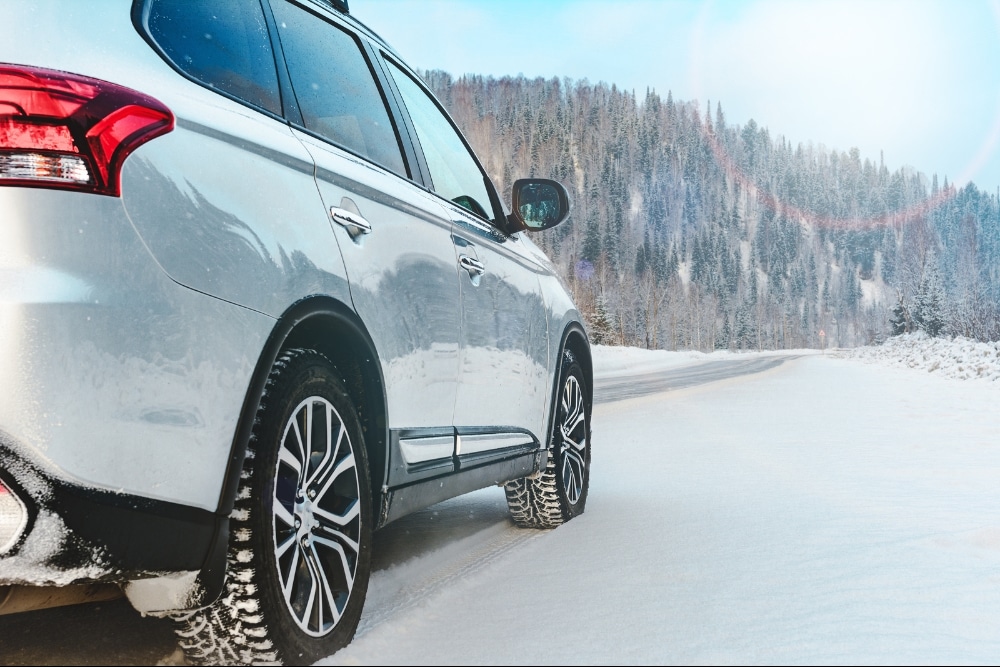
Your battery doesn’t care that you have a holiday dinner to attend. Cold Massachusetts mornings are unforgiving to vehicles that aren’t properly maintained, and the worst time to discover a problem is when you’re already running late with a car full of passengers and presents. Winter readiness goes beyond hoping your car starts; it means verifying that every system, from your heater to your brakes, can handle dropping temperatures and the increased demands of holiday travel. At E&G Automotive, we’ve seen what happens when drivers skip pre-winter inspections, and we’d rather help you avoid becoming a roadside statistic.
This guide covers the critical systems that fail in cold weather, quick visual checks you can perform yourself, what professional winter inspections reveal, and specific considerations for fleet managers. Whether you’re planning a single road trip or managing commercial vehicles throughout Chicopee and surrounding communities, understanding winter readiness helps you make informed maintenance decisions.
The Hidden Costs of Skipping Pre-Winter Maintenance
Most drivers don’t realize how much money they lose by ignoring seasonal car care. A dead battery on a holiday morning doesn’t just cost you the price of a new battery. You’re paying for emergency roadside service, possibly missing important family gatherings, and dealing with the stress of stranded passengers in cold weather.
The real expense comes from cascading failures. A weak battery forces your alternator to work harder. Low tire pressure increases fuel consumption and accelerates uneven wear. A clogged cabin air filter makes your heater struggle, potentially masking cooling system problems that will cost significantly more to repair later.
Prevention costs less than reaction. A comprehensive inspection identifies problems while they’re still affordable to fix.
Critical Winter Systems That Need Your Attention
Battery and Electrical System
Cold weather is brutal on batteries. When temperatures drop below freezing, your battery loses significant cranking power, while your engine needs even more power to start. Here’s what happens:
- Chemical reactions slow down: The cold thickens battery acid, reducing its ability to hold and deliver a charge
- Oil becomes viscous: Your starter motor works harder to turn over a cold engine
- Corrosion accelerates: Road salt and moisture create electrical resistance at battery terminals
- Age matters more: A battery that works fine in October might fail completely in December
Professional testing reveals weak batteries before they leave you stranded. Modern diagnostic equipment measures not just voltage but also cold cranking amps and overall battery health.
Heating and Defrost Capabilities
A working heater isn’t just comfort; it’s safety equipment. Your defrost system keeps windows clear during snow and ice conditions.
Common heating system failures:
- Low coolant levels from small leaks
- Malfunctioning thermostat stuck open or closed
- Clogged heater core restricting hot coolant flow
- Failed blower motor preventing air circulation
- Dirty cabin air filter, reducing airflow significantly
Many heating problems share symptoms with cooling system issues, making professional diagnosis important.
Tires and Brake Performance
Tire pressure drops approximately 1 PSI for every 10-degree temperature decrease. Underinflated tires cause reduced traction on wet and icy roads, increased stopping distances, decreased fuel efficiency, and a higher risk of blowouts.
The legal minimum tread depth in Massachusetts is 2/32 of an inch, but safety experts recommend replacing tires at 4/32 of an inch for winter driving. Worn tires cannot channel water and slush away effectively.
Winter driving demands peak brake performance when road conditions are at their worst. Professional inspection includes measuring pad thickness, checking rotor condition, testing brake fluid, and examining the entire hydraulic system for leaks.
The Five-Minute Visual Check Anyone Can Do
Before taking your vehicle to a professional, spend five minutes doing these quick checks:
- Walk around your vehicle: Look for low tires, fluid leaks underneath, cracked glass, and burned-out lights
- Pop the hood: Check for visible belt cracks, loose hoses, and obvious fluid leaks
- Test all lights: Turn on headlights, high beams, turn signals, and brake lights
- Check your wipers: Replace blades if they streak, skip, or leave gaps
- Verify emergency supplies: Confirm you have a charged phone, ice scraper, and basic emergency kit
These simple checks help you spot obvious problems before they become roadside emergencies.
What Professional Winter Inspections Cover
A comprehensive pre-winter inspection goes far beyond what you can check at home. Professional technicians use specialized equipment to identify problems before they become failures.
Complete inspection includes:
- Battery testing with load testers measuring actual cranking capacity
- Charging system verification, ensuring proper voltage
- Coolant mixture testing for adequate freeze protection
- Belt and hose inspection for cracks, wear, and proper tension
- Brake system evaluation, including fluid condition and component wear
- Tire pressure adjustment and tread depth measurement
- Lighting system check covering all exterior and interior lights
- Wiper blade condition and washer fluid level verification
Our team uses Digital Vehicle Inspections through AutoFlow, so you receive photos and videos of issues we identify. This transparency helps you understand what your vehicle needs and why each service matters for winter safety.
Ready to ensure your vehicle is winter-ready? Visit E&G Automotive at 159 Granby Rd, Chicopee, MA 01013, or call us at 413-474-6791 to schedule your pre-holiday inspection today.
Fleet Winter Readiness for Chicopee Businesses
Businesses managing commercial vehicles face multiplied challenges during the winter months. One breakdown disrupts customer service, delivery schedules, and your company’s reputation.
Fleet winter readiness requires:
- Staggered maintenance scheduling to avoid having multiple vehicles down simultaneously
- Detailed inspection records tracking each vehicle’s condition
- Proactive replacement of aging components before they fail
- Driver training on cold weather operation
Companies operating light-duty vehicles like Ford Transit vans need specialized attention. We work with major fleet accounts, including Spectrum and Big Y, providing efficient service that minimizes downtime.
Why E&G Automotive for Your Winter Preparation
E&G Automotive has served Chicopee families and businesses since 1991. We’re a third-generation business built on treating every customer as we would like to be treated ourselves.
What sets our winter inspections apart:
- ASE-certified technicians, including Master Technicians with specialized training
- John Bean alignment machine for precise wheel alignment
- OEM scan tools for accurate diagnostics on various vehicle makes
- 3-year/36,000-mile warranty backing our repairs
- Convenient loaner vehicles, shuttle service, and after-hours drop box
Our transparent process includes thorough inspections, photo documentation, and detailed repair estimates before any work begins. For customers needing financial flexibility, we offer financing through CFNA.
FAQs About Winter Car Maintenance and Holiday Travel Readiness
How often should I check my tire pressure in winter?
You should check your tire pressure at least once a month during winter and before any long trips, as cold temperatures cause pressure to drop significantly. Regular monitoring helps maintain proper traction, fuel efficiency, and tire life while preventing uneven wear.
What is the most important maintenance before a winter road trip?
The most important maintenance before a winter road trip is a comprehensive vehicle inspection covering your battery, heating system, tires, brakes, and fluid levels to prevent breakdowns. Addressing potential issues before departure is far easier and less expensive than dealing with roadside emergencies in cold weather.
How does cold weather affect my car battery?
Cold weather reduces your car battery’s cranking power significantly while simultaneously increasing the power needed to start your engine, making weak batteries likely to fail. Professional battery testing identifies problems before they leave you stranded on a cold morning.
When should I switch to winter tires?
You should consider winter tires when temperatures consistently fall below 45 degrees Fahrenheit, as standard tires lose flexibility and traction in cold conditions. While all-season tires work for many Massachusetts drivers, winter tires provide superior grip on snow and ice for maximum safety.
What’s included in a pre-winter vehicle inspection?
A pre-winter vehicle inspection includes checking your battery and charging system, heating and defrost operation, tire condition and pressure, brake performance, all fluid levels, belts and hoses, and lights. This comprehensive assessment identifies potential problems before winter weather creates dangerous situations.
Schedule Your Pre-Holiday Inspection in Chicopee, MA
Don’t let preventable vehicle problems disrupt your holiday plans or business operations. Whether you’re preparing for a family road trip or ensuring your commercial fleet is ready for winter, proper auto repair and car maintenance make all the difference.
We serve customers throughout Chicopee, Springfield, Holyoke, West Springfield, and Agawam with the same commitment to quality and service that has kept families and businesses coming back for over three decades.
Visit E&G Automotive at 159 Granby Rd, Chicopee, MA 01013, or call us at 413-474-6791 to schedule your winter readiness inspection. We look forward to helping you stay safe on the road this holiday season.